
Queens Zoo (Wildlife Conservation Society)

We’ll continue to examine how the Zoo itself can be a better, more visible, responsive and relevant community member to our Corona neighbors.

Queens Zoo (Wildlife Conservation Society)
Annual operating budget: $5 million–$9.9 million
Total number of employees: 55 full time
Annual visitorship: 246,398
**Numbers reported in 2025
Our plan: Repair the disconnect
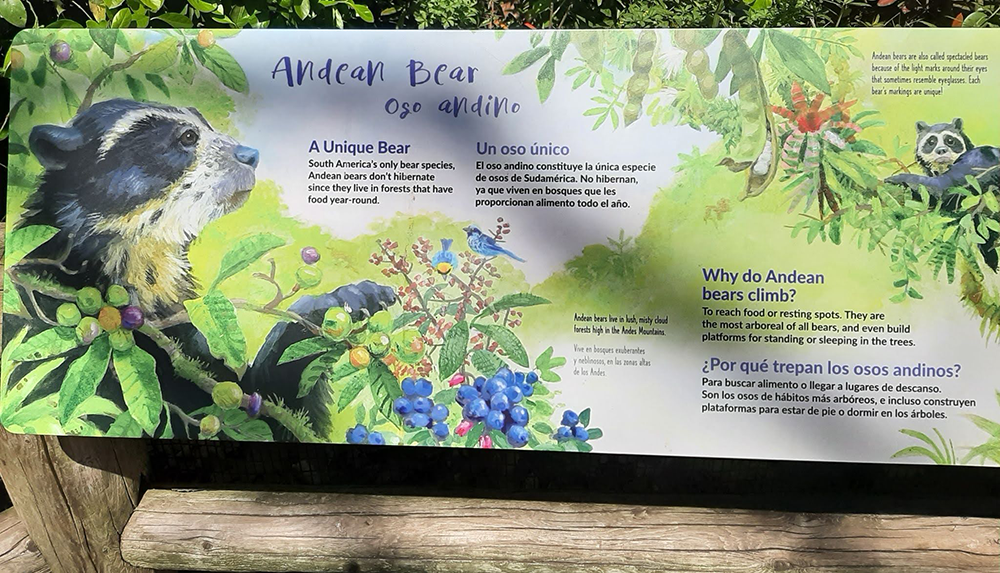
Though the Queens Zoo engaged with our local Latinx community via programming and bilingual signage, there still seemed to be a disconnect between the Zoo and the community. Located inside Flushing Meadows Corona Park, a beloved public resource often referred to as the community’s backyard, Latinx visitation and participation in Zoo activities was lacking. Had we inadvertently created barriers to our neighbors? We planned to work with other local organizations to create focus groups, to better understand what the community was looking for from us, and what the barriers were to participation.
Our projects: Listen and learn from locals
We conducted eight focus groups with Latinx community members. Two local organizations, Commonpoint Queens and the Queens Museum, helped us identify and recruit Latinx families and individuals in the Corona and Jackson Heights neighborhood to participate. They offered their locations for the focus groups, providing a safe space for open communication so that community members felt comfortable. Working with the research and evaluation team from our parent organization, Wildlife Conservation Society (WCS), we developed our focus-group questions. Each group was led by a Spanish-speaking local consultant and participants were provided with refreshments, a reusable zoo bag, zoo shirts, and tickets for their family to visit any WCS park.
Our focus group participants shared positive views of the Zoo, while also expressing a need for us to increase our local visibility; a desire for the Zoo to be more culturally and linguistically attunement with our community; and concerns about the Zoo’s pricing and hours.
Our takeaways: Be there and be visible
What we learned in our focus groups will ultimately help us build relationships, develop strategies to better serve the community’s needs, and to plan new STEM programs:
- put a face to The Zoo — being visible in the community creates trust
- attune to our neighbors through cultural events, bilingual staff/signage, discounts
- be a local resource for community events and classes, and culturally relevant dining/vendors
We’ll continue to examine how the Zoo itself can be a better, more visible, responsive and relevant community member to our Corona neighbors.
To read other museums’ stories of change, visit our Cambio Stories page.