Over the course of each Cambio year, participating museums designed and undertook an strategic initiative aimed at prompting organizational change toward being more relevant, responsive, and sustaining to their local Latinx communities. Museums were encouraged to think broadly, to be flexible and open to evolving their chosen project throughout their cohort year, and to reflect on their processes and products. Each organization received one-on-one coaching from a Cambio faculty member and a $5,000 mini-grant to support their initiative.
The Cambio Stories here showcase the many different approaches taken by museums of all types, in all regions of the United States, to engage with their Latinx communities, re-think their STEM identities, and shift their organizational practices to be more inclusive. They are stories of learning, of mistakes, of listening, and of change.
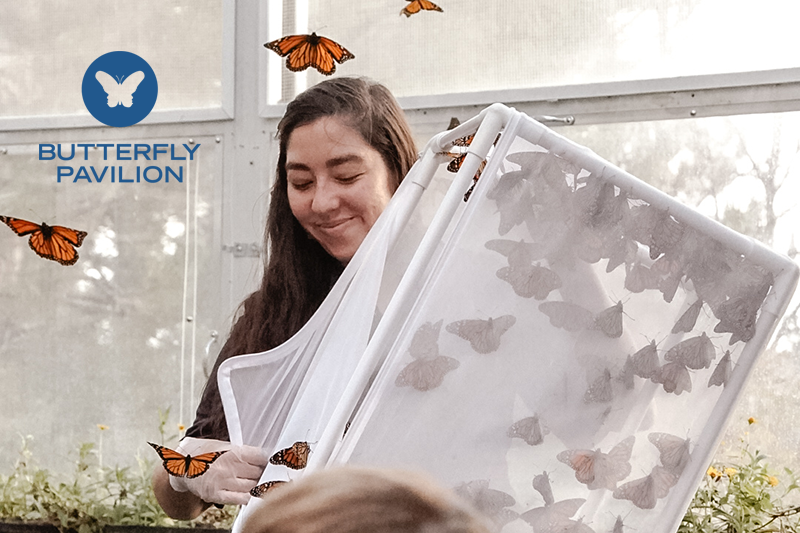
Allowing ourselves to be vulnerable and opening ourselves up to feedback from Latinx community members, business leaders, and organizations has helped us facilitate meaningful connections and amplify our reach.
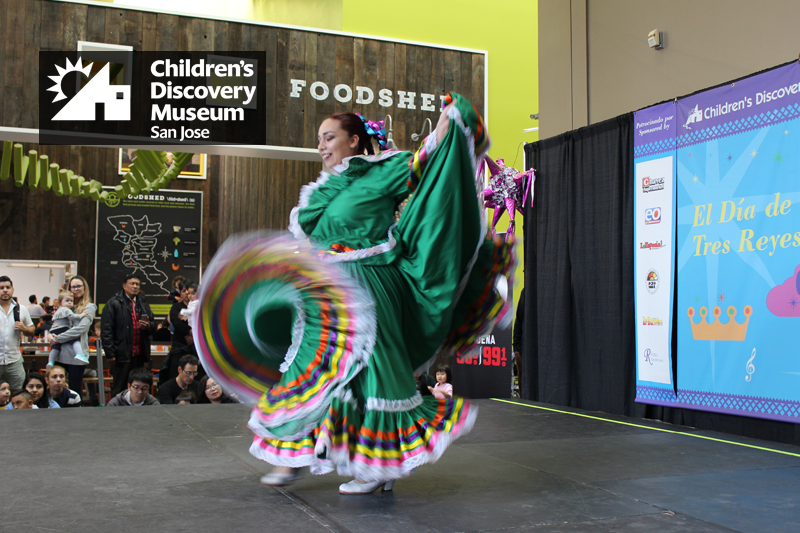
Thanks to our experience with Cambio, we reinforced the importance of ‘small pilots,’ which has enabled us to say yes to opportunities that we may not have agreed to six years ago.
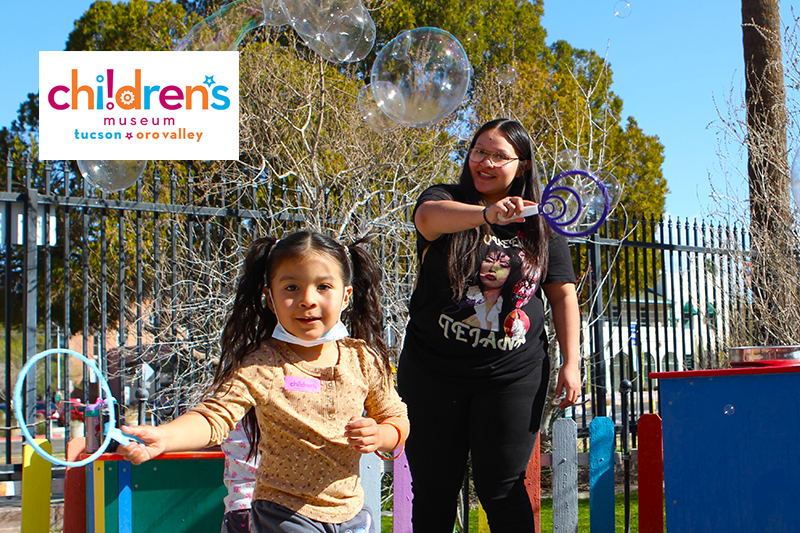
Celebrating local, nontraditional STEM activities and careers at CMT builds upon itself, and opens doors for further collaboration and engagement with new communities.

Through Cambio, we adopted some new language, especially related to experimentation and cultural relevance, that we can use when engaging with new partner organizations with whom we don’t yet have a strong relationship.

Through our Cambio year, we experienced the value of coming together in community with other science institutions—to support each other, reassert our values, and share the joy of STEM learning with the public.

Over time we shifted from a focus on staff professional development to providing more culturally responsive and relevant STEM experiences for our Hispanic/Latino visitors.

We continue to deepen our understanding of bilingual best practices, listen to community needs to better serve those needs, and take a big-picture approach to conveying our mission and vision to our community.
Cambio expanded our vision of STEM from the narrow to the infinite—rooted in play, culture, and community. We’ve learned that our role is to listen, co-create, and grow with our families, with more awareness, understanding, and heart.
Now that we’ve clearly and intentionally defined the communities we want to work alongside, we’ll continue to develop clear strategies for engaging more deeply and authentically—together.
The comunalidad framework—and the work by Cambio faculty Isabel Hawkins and community elder Doña Maria de Avila to make this concrete—was incredibly powerful for us in considering our own unique institutional approach to our work.
Our mission is to inspire a lifelong love of science in everyone. Cambio brought our mission to life and supported our efforts by providing meaningful organizational tools.
We have a renewed focus on creating an open, welcoming environment for all. Cambio gave us space to think critically, challenge our assumptions, engage, and learn from and with our Latinx audiences.

We’ll continue to examine how the Zoo itself can be a better, more visible, responsive and relevant community member to our Corona neighbors.

We’re committed to sharing power and decision making, internally and with external partners. Connection is key—with cultural liaisons and family advocates to engage community members with the museum, with local libraries to learn successful strategies for reaching Latinx communities, and to deepen relationships with our listening session participants.

We know that we must continue to pursue growth and improvement; there is no finish line for this work. Progress is neither linear nor permanent; it shifts forward, backwards, and sideways. Intent, purpose and action are needed to keep it all moving forward.
We’re committed to continuing to learn, to confront our perceptions and assumptions, and to grow our understanding and empathy.
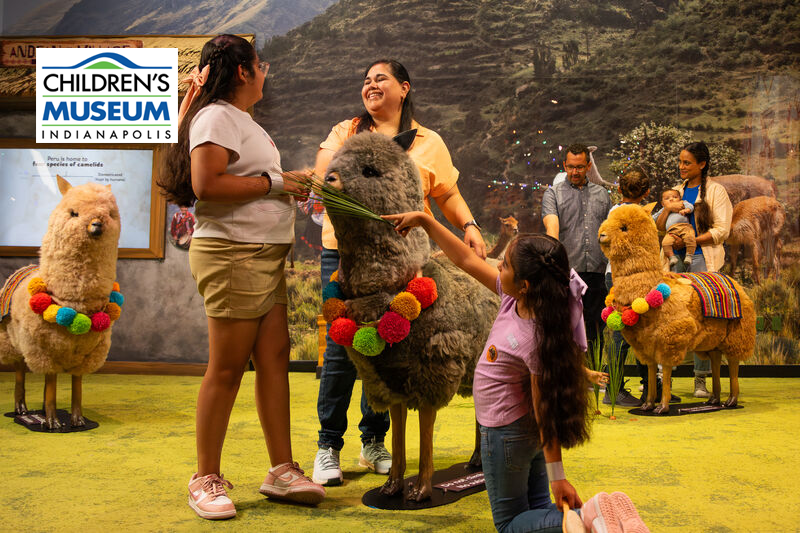
As The Children’s Museum of Indianapolis celebrates its Centennial, we reaffirm our vision to inspire and empower all children to realize their full potential through inclusive learning experiences that strengthen community connections.

Going forward, we see now more than ever that science centers should be seen as cultural institutions that can express science in nontraditional ways.

We’ll continue to focus on developing cultural competency, expanding our culturally inclusive programs, and exploring non-Western science content.